


ERAY ENERGY INC.

Construction Metals
To provide the desired durability in construction areas and to use the compression force of the concrete most efficiently, construction metal types should be used with appropriate preferences.
METAL TYPES
Carbon Steel Bar (Black Bar)
Welded Wire Mesh
Wire Rod (Coiled Steel Rod)
Epoxy-Coated Reinforcing Bar
Sheet Metal Steel
Stainless Steel Bar
Galvanized Steel
Expanded Metal Mesh
Glass Fiber Reinforced Polymer Rebar (GFRP Rebar)
IPE Beam
Square Steel Bar
UPN Channel
T-Section
HEM Beam
HEB Beam
Steel Coil
Cold Rolled Steel Sheet (DKP / DC01)
Galvanized Steel Sheet
Steel Plate
Boiler Plate
Flexible Steel Plate
Wear-Resistant Steel Plate
Rolled Steel Products
Crane Rail
While making room for quality selection in the purchase of rebars, attention should also be paid to the use of rebars with choices suitable for their conditions. The metals used in construction have different choices, and their uses, contents, and other details are given below as sub-headings.

Carbon Steel Rebar (Black Bar)
The black bar, which has the most common use in construction areas, is known for providing versatile advantages.
Welded Wire Rebar
It is used for flooring on walls and in areas compressed by the ground.


European Rebar
This Steel, which is an alternative to other rebars, is not suitable for use in earthquake zones.
Epoxy Coated Rebar
This coating, which prevents rebar corrosion, is a very costly choice and must be obtained from reliable places.


Sheet Metal
This steel, which is made of steel sheets, is a material choice used in areas such as flooring and stairs.
Stainless Steel
Stainless steel rebars, which are an alternative choice to carbon rebar, known as black bar, are a product with galvanic resistance. The product also costs eight times more than epoxy coated rebar.

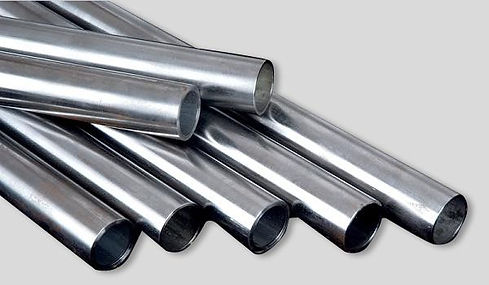
Galvanized Steel
Galvanized Steel, which is especially chosen for highly abrasive areas, has a strength that is forty times higher than black bar iron. It is among the most expensive rebar.
Expanded Steel Mesh
Expanded steel mesh is made by dividing the steel plate into equal plates is widely used where a common plaster thickness is required. Wire mesh can be used for sidewalks, walkable surfaces and small concrete pads.


Glass Fiber Reinforced Polymer Steel
Glass fiber reinforced polymer rebar is called GFRP rebar. This Steel, which does not rust under any circumstances, is an extremely costly choice. It is a ten times more costly choice than epoxy coated rebar.


IPE Profile
IPE Section
Size: 100 – 600 mm
Length: 6–15 m
Dimensions: EN 10365
Tolerances: EN 10034
General Applications;
-
Steel construction and steel roof manufacturing,
-
Construction of buildings such as residential, industrial, and business centers,
-
Restoration of reinforced concrete and historical stone structures,
-
Manufacturing in the agriculture and machinery industries,
-
Railway wagon manufacturing,
-
Shipbuilding,
-
Elevator manufacturing.
For IPE Section price and stock information, please contact our company.

Square Iron
General Applications of Square Steel:
Steel construction and steel roof manufacturing,
Shipbuilding manufacturing,
Agricultural and machinery industry manufacturing,
Fence and barrier manufacturing,
Wrought iron manufacturing,
Furniture manufacturing,
Elevator manufacturing,
Automotive and automotive sub-industry

UPN Profile
General Application Areas:
Steel construction and steel roof manufacturing,
Construction of buildings such as residential, industrial and business centers,
Restoration of reinforced concrete and historical stone structures,
Agricultural and machinery industry manufacturing,
Railway wagon manufacturing,
Guardrails for bridges and overpasses,
Shipbuilding manufacturing,
Elevator manufacturing,
Traffic sign and highway equipment manufacturing.

T-Profile
Machinery industry,
Steel construction manufacturing,
Automotive industry,

HEM Profile
-
Size: 100 – 1000 mm
-
Length: 6 -15 m
-
Dimensions: EN 10365
-
Tolerances: EN 10034

HEB Profile
General Application Areas;
Steel construction and steel roof manufacturing,
Construction of buildings such as residential, industrial and business centers,
Restoration of reinforced concrete and historical stone structures,
Agricultural and machinery industry manufacturing,
Railway wagon manufacturing,
Shipbuilding manufacturing,
Elevator manufacturing,

Rolled Sheet Metal
Weldable general structural steels:
Majorly used in the manufacture of construction machinery and heavy equipment,
General construction plates,
Manufacturing of road and rail vehicles,
Manufacturing of storage tanks,
Container manufacturing,
Manufacturing of pressure vessels or boilers,
Manufacturing of LPG,
Shipbuilding,
Manufacturing of traffic signs and highway equipment,
Manufacturing of pipe profiles,
Manufacturing of elevators

DKP Sheet Metal
Production Standards
EN 10025-2
EN 10217-1
API 5L
API 5CT
Steel Grades
S235JR, S235J0, S235J2, S275JR, S275J0, S275J2, S355JR, S355J0, S355J2
P235TR1, P265TR1
A, B, X42, X46, X52, X56
J55
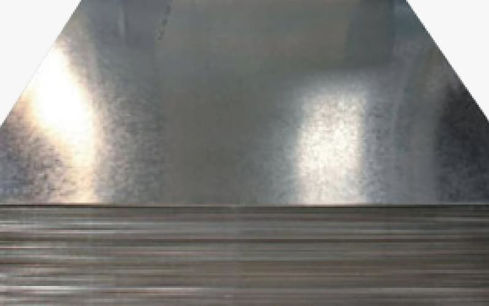
Galvanized Sheet Metal
General Application Areas of Galvanized Steel Sheets:
Automotive and automotive sub-industry,
White goods manufacturing,
Building roof cladding,
Interior and exterior building cladding,
Building and parking garage ventilation equipment manufacturing,
Highway barrier manufacturing,
Elevator manufacturing,
Traffic sign and highway equipment manufacturing.
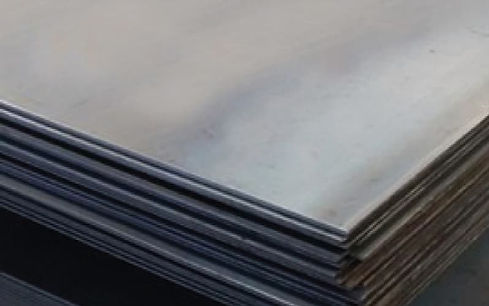
Sheet Metal
Hot-rolled sheet metal is one of the most preferred steel products in terms of usage. Rectangular or square semi-finished products are obtained by continuously pouring and solidifying molten steel, also called slabs. Sheet metal of different thicknesses and sizes is obtained through hot rolling in rolling mills at temperatures of at least 1700°C.


Boiler Sheet Metal
-
Applications of Boiler Steel Sheets
-
In the manufacture of transport vehicles (ships, trains, trucks, buses, bicycles)
-
In the energy sector; in energy transmission lines, wind energy production equipment, power plant construction, and solar energy utilization equipment
-
In the agricultural sector; in the manufacture of pipes used in agricultural machinery, in controlling the great power of water, in the construction of canals, tunnels, dams, bridges, and ports
-
In storage systems, in silo construction, and in container manufacturing
-
In hot and pressurized environments, in the manufacture of heat exchangers and steam boilers
-
In the construction sector, it is successfully used in the manufacture of load-bearing columns, concrete transport, mixing, and molding equipment, and in the construction of steel buildings.
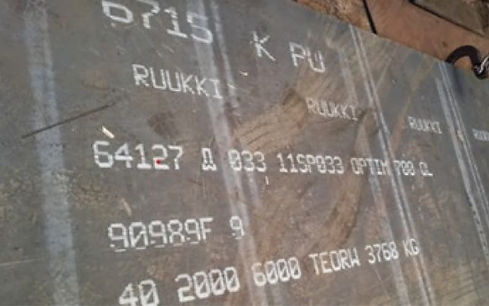
Stretch-Resistant Sheet Metal
High-strength steel products enable the creation of stronger, lighter, and more durable structures. This results in high-performance applications, particularly in the construction machinery sector, such as telescopic boom manufacturing, vehicle chassis manufacturing, bridge and road projects, and vibration valves and screens.

Wear-Resistant Sheet Metal
HB grade steel is a type of steel with significantly higher hardness, formed by cladding ordinary steel with metal sheets. While generally used in the construction and mining sectors, it has recently begun to be used in many other areas. It is suitable for use wherever high wear resistance is required.
Steels with hardness of 400 and 450 HB, developed for commercial vehicle manufacturing, are extremely suitable for brake press formation and bending (dumping bodies) due to their balanced alloy concept involving sulfide shape control. These wear-resistant steels can also be supplied as strip-cut plates with thickness tolerances of less than ±0.20 mm, offering significant processing advantages.

Rolled Mill Products
HEB Profile
HEA Profile
HEM Profile
IPE Profile
UPN Profile
T Profile
UC Profile
UB Profile
W Profile
PFC Profile
IPN Profile
Angle Iron
Flat Iron
Square Iron
Wire Rod

Crane Rail
What is a Crane Rail?
Applications of Crane Rails
Crane Rail Dimensions
5 Frequently Asked Questions About Crane Rails
Crane Rail Prices